Who do they say I am? Who do you say I am? Jesus asks his disciples these questions in all three Synoptic Gospels (Matt 16:13–20; Mark 8:27–30; Luke 9:18–21), but Luke’s version of this story shows you something about Jesus that the others don’t. In Luke, Jesus is portrayed as the Messianic King who is resurrecting Israel.
In this post, I want to highlight two prominent themes in Luke 9:1–26, themes that surface from Luke’s unique clustering together of stories he shares with the other Synoptic Gospels. First, Luke places a resurrection bookend around Peter’s confession of Jesus as the Messiah. Second, Luke makes clear that Jesus is regathering Israel through physical resurrection. Jesus’s mission — his life, suffering, death, and resurrection — is to resurrect Israel. Resurrection is not just a metaphor. Jesus is reconstituting “the twelve,” and they will follow him through physical death and resurrection into new creation.
The Gravitational Center
All the stories in Luke 9 are held together by the gravitational force of this question, asked three times: “Who is Jesus?” (9:7, 18, 20). Herod ponders the question in 9:7–9, and Jesus explicitly asks it twice in 9:18–20. Luke’s answer is focused on resurrection and the regathering of Israel around the Messiah.
Note the series of stories:
- Jesus calls the twelve and sends them out with his authority (9:1–6).
- Herod wonders who Jesus is and ponders the possibility of John’s resurrection (9:7–9).
- Jesus equips the twelve to miraculously feed the crowds (9:10–17).
- Jesus asks who they/you say I am, and Peter says, “The Messiah of God” (9:18–20).
- Jesus says he will suffer, die, and be resurrected on the third day (9:21–22).
- Disciples must follow Jesus through death and resurrection (9:23–26)
The bold terms highlight the way Luke features “the twelve” and resurrection. Taken together, it becomes clear that the Messiah’s resurrection journey is resurrecting Israel.
Resurrection
The series of stories listed above is unique to Luke. In Matthew and Mark, the story about Herod’s questions — Who is Jesus and has John been raised? — are not clustered together so closely with Jesus’s explicit teaching about his own resurrection. In Matthew and Mark the stories are over two chapters apart:
- Matthew: Herod’s questions (Matt 14:1–8), Jesus teaches he’ll be resurrected (Matt 16:21)
- Mark: Herod’s questions (Mark 6:14–19), Jesus says he will be resurrected (Mark 8:31)
In Luke, the stories are placed together (9:7–9; 21–22), interspersed with the calling of the twelve and his own power and authority flowing through the twelve (9:1–6; 18–20).
Regathering the Twelve
The Torah and the Prophets are explicit about God’s plan to regather together his people from among the nations — for example, Deut 30:3–5; Is 11:11–12; Jer 23:3–8; 31:10; Ezekiel 36:24–28; Amos 9:14–15; Micah 2:12; Zephaniah 3:20. This is what Luke is showing you about Jesus in 9:1–6. Jesus calls twelve disciples, and these twelve are symbolic of the twelve tribes of Israel. The twelve are sent out to do what Jesus has been doing. They work with the Messiah’s own power and authority.
In 9:10–17, the twelve are given the ability to miraculously feed five thousand people. Luke alone says “the twelve” came and informed Jesus that the people needed food (9:12). Matthew and Mark refer to them as “the disciples” (Matthew 14:15; Mark 6:35). Luke is highlighting the identity of the disciples as the first fruits of Israel’s regathering around the Messiah. He’s showing you that Jesus, the Messiah, is calling his people, Israel, out from among the nations to follow him. The Messianic King is regathering God’s people around himself.
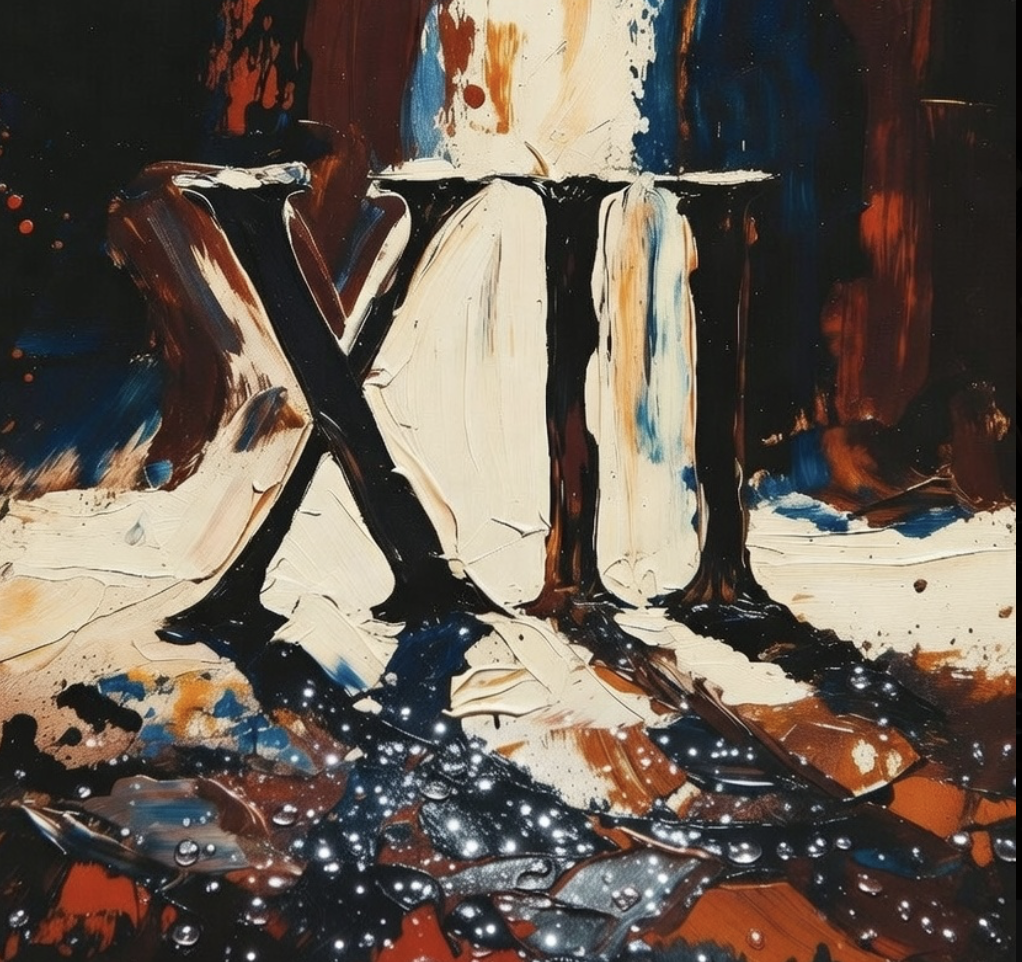
The prophets talked about this regathering of God’s people in terms of resurrection — for example, Isaiah 26:19 (represented in the image above), Ezekiel 37, Hosea 6:1–3, 13:14. Luke is showing you that resurrection in these texts is not just a metaphor. Through the Messiah’s mission, which includes physical death and physical, bodily resurrection, Israel is being called home, to him. They will follow him through their own death and resurrection (Luke 9:23–26).
Conclusion
Who is Jesus? In Luke 9:1–26, Jesus is the Messianic King on a mission to resurrect God’s people. Jesus calls the twelve and works through them to regather God’s people, out from among the nations. Through the twelve, Jesus will lead God’s people through death and resurrection, into new creation. Resurrection isn’t just a metaphor. Through physical resurrection, Jesus brings new creation. The twelve and all who respond to their message follow him on the same path to the same good end, new creation.
The next post is a sequel to this one — Suffering is Not the Goal: Following Jesus into New Creation in Luke 9
 Brian W. Davidson
Leave a comment